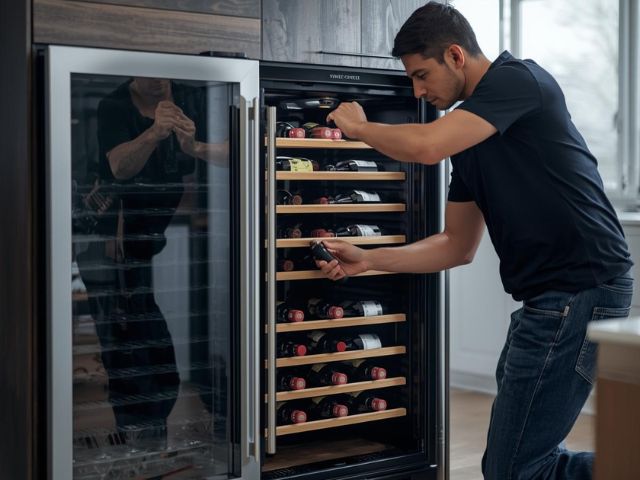
Owning a Thermador wine cooler is a testament to your commitment to preserving fine wines at the perfect temperature. But even the most reliable appliances can encounter issues over time, from temperature fluctuations to mechanical failures. Understanding the ins and outs of Thermador wine cooler repair can save you both time and frustration, ensuring your valuable wine collection remains in optimal condition.
Whether it’s a minor glitch or a serious malfunction, knowing how to spot early warning signs and address them promptly is key. Thermador Repair Group provides expert guidance for keeping your wine cooler functioning smoothly.
Recognizing Common Thermador Wine Cooler Problems
Thermador wine coolers are designed for performance and precision, but several common issues can occur:
- Temperature Inconsistencies: Your wines might be too warm or too cold. This can happen due to thermostat issues, sensor malfunctions, or blocked vents.
- Strange Noises: Grinding, buzzing, or clicking sounds often indicate mechanical or compressor problems.
- Water Leaks: Moisture around the cooler may be caused by a clogged drain, improper leveling, or worn door seals.
- Lighting Issues: LED lights inside the cooler might flicker or fail entirely due to electrical faults.
- Door Seal Deterioration: Poor seals compromise temperature stability, causing the cooler to overwork.
Understanding these common problems helps you identify whether a simple DIY fix is possible or if professional intervention is required.
Quick Maintenance Checks to Prevent Major Repairs
Proactive maintenance can extend the life of your Thermador wine cooler and prevent costly repairs. Here are some essential tips:
- Keep the Cooler Level: Uneven surfaces can strain the compressor, leading to mechanical issues. Use a spirit level to ensure proper alignment.
- Clean Condenser Coils: Dust accumulation restricts airflow and causes overheating. Vacuum coils every six months for optimal performance.
- Monitor Temperature Settings: Avoid constant changes to thermostat settings, which can cause wear and affect cooling efficiency.
- Check Door Gaskets: Inspect seals for cracks or brittleness. Replace immediately if you notice damage to maintain energy efficiency.
- Proper Ventilation: Ensure the unit has sufficient airflow around it to avoid overheating.
For additional insights on appliance longevity, check out our blog: Everyday Habits That Shorten Thermador Appliance Life in NY.
DIY Fixes for Minor Thermador Wine Cooler Issues
Some minor issues can be addressed at home without risking further damage:
- Temperature Adjustments: If wines are slightly off, calibrate the thermostat or reset the cooler. Most models have a reset function detailed in the user manual.
- Cleaning the Interior: Wipe down shelves, glass doors, and walls using a soft cloth and mild detergent. Avoid abrasive cleaners that may damage surfaces.
- Replacing Light Bulbs: Many Thermador wine coolers have user-replaceable LEDs—simply match the model and voltage specifications.
- Clearing the Drain Pan: If water is pooling inside, check and unclog the drain pan to ensure proper condensation drainage.
Remember, safety first: always unplug the unit before attempting repairs.
When to Call Professional Thermador Repair Services
While DIY fixes handle minor issues, professional intervention is often necessary for serious malfunctions. Situations that require expert attention include:
- Compressor Failures: The compressor is critical for cooling. If it’s not functioning, a technician can diagnose and replace it without causing further damage.
- Electrical Malfunctions: Complex wiring or control board issues require trained professionals to ensure safe and precise repairs.
- Severe Cooling Problems: Persistent temperature inconsistencies often indicate internal component failure that only experts should handle.
- Refrigerant Issues: Low or leaking refrigerant requires professional tools and certification to repair safely.
Working with a certified Thermador repair service ensures your warranty remains intact and prevents further damage to your appliance.
Understanding Thermador Wine Cooler Components
A deeper understanding of your wine cooler’s components can help you communicate effectively with repair professionals and potentially troubleshoot minor problems:
- Compressor: The heart of the cooling system, responsible for compressing and circulating refrigerant.
- Thermostat/Sensors: Monitor internal temperatures and regulate cooling cycles.
- Evaporator and Condenser Coils: Essential for heat exchange; dirt or damage can lead to inefficiency.
- Fans and Ventilation: Promote airflow and maintain even temperatures throughout the unit.
- Door Seals and Hinges: Ensure a tight seal to prevent warm air from entering and reducing energy efficiency.
Knowing these parts can also help you identify what may be malfunctioning when you notice unusual sounds, leaks, or performance dips.
Best Practices to Maximize Your Wine Cooler’s Lifespan
Protect your investment with these expert-recommended strategies:
- Avoid Overloading Shelves: Too many bottles restrict airflow and overwork the compressor.
- Maintain Consistent Temperature: Frequent fluctuations cause stress on internal components.
- Schedule Regular Maintenance: Professional servicing every 12–18 months keeps parts in optimal condition.
- Use a Surge Protector: Electrical surges can damage sensitive electronics.
- Position Correctly: Avoid placing the cooler near heat sources or direct sunlight.
These practices prevent premature wear, reduce repair costs, and maintain the quality of your wine collection.
Energy Efficiency Tips for Thermador Wine Coolers
Energy efficiency is crucial, especially for full-sized or dual-zone coolers. Follow these guidelines to minimize energy consumption:
- Keep Doors Closed: Each opening introduces warm air, forcing the cooler to work harder.
- Check Gasket Integrity: Replace old or damaged seals to prevent energy loss.
- Avoid Overcrowding: Proper spacing allows cold air to circulate efficiently.
- Adjust Temperature Settings Carefully: Only set temperatures appropriate for the wine type—too cold wastes energy.
- Routine Cleaning: Dusty coils and blocked vents increase power usage.
Not only do these tips save on electricity, but they also prolong your cooler’s operational lifespan.
Red Flags Signaling Immediate Repair Needs
Some issues require urgent attention to avoid damage to your wine collection:
- Rapid Temperature Changes: Fluctuations can spoil delicate wines.
- Unusual Noises or Vibrations: May indicate failing compressor, fan, or motor.
- Excessive Moisture or Ice Build-Up: Points to drainage or refrigerant problems.
- Persistent Error Codes: Modern Thermador coolers have diagnostic codes—ignore them at your peril.
- Foul Odors: Could be mold or bacterial growth inside the cooler.
Prompt action ensures your wines remain in perfect condition and prevents costly repairs.
How Professional Technicians Approach Thermador Repairs
Certified repair specialists follow systematic steps to ensure safe and efficient repairs:
- Diagnostic Assessment: Identify root causes using specialized tools and software.
- Component Testing: Verify functionality of compressors, thermostats, and control boards.
- Parts Replacement: Install manufacturer-approved parts to maintain warranty and performance.
- System Calibration: Reset temperatures and verify consistent cooling.
- Final Inspection: Ensure the cooler operates quietly, efficiently, and leak-free.
Professional repair not only resolves the immediate problem but also optimizes your cooler for long-term reliability.
Preventive Tips for Wine Enthusiasts
As a wine lover, you want your collection stored perfectly. These preventive measures reduce the likelihood of repair needs:
- Rotate Bottles Occasionally: Ensures even cooling and avoids pressure buildup.
- Label and Monitor Inventory: Helps track consumption and spot storage issues early.
- Avoid Direct Sunlight: UV rays can damage wine labels and heat the bottles.
- Keep the Cooler Stable: Avoid moving the unit frequently to prevent internal damage.
- Regularly Inspect Equipment: Look for minor leaks, condensation, or unusual noises before they escalate.
Adopting these habits keeps both your wines and cooler in pristine condition.
Why Choose Thermador Repair Group
When it comes to Thermador wine cooler repair, Thermador Repair Group stands out for several reasons:
- Certified and trained technicians specializing in Thermador appliances.
- Prompt, reliable service with clear communication.
- Use of genuine Thermador replacement parts for guaranteed quality.
- Comprehensive maintenance and repair solutions, from minor fixes to major component replacements.
Choosing experts ensures your investment is protected and your wine collection remains safe.
Frequently Asked Questions
- How often should I service my Thermador wine cooler?
Professional maintenance every 12–18 months is recommended to ensure longevity and efficiency. - Can I fix a temperature fluctuation myself?
Minor thermostat adjustments may help, but persistent fluctuations should be addressed by a certified technician. - What should I do if my wine cooler is leaking?
Check the drain pan for clogs and ensure the unit is level. If the leak persists, contact a professional. - Are Thermador parts expensive to replace?
Genuine parts vary in cost, but investing in certified components prevents further damage and maintains warranty coverage. - How can I extend the life of my wine cooler?
Regular cleaning, proper placement, temperature consistency, and scheduled professional maintenance are key.
Conclusion: Protect Your Wines with Expert Care
Your Thermador wine cooler is more than an appliance—it’s a safeguard for your prized collection. By recognizing common issues, performing preventive maintenance, and working with certified professionals, you can ensure it performs at its best for years to come.
For minor concerns, simple adjustments and cleaning may suffice. But when serious issues arise, entrust the work to Thermador Repair Group to preserve your investment and protect your wines. A combination of proactive care and expert repair ensures every bottle you open has been stored under optimal conditions.
Don’t risk your collection to avoidable malfunctions. Keep your wine cooler running smoothly, and enjoy the perfect pour every time.