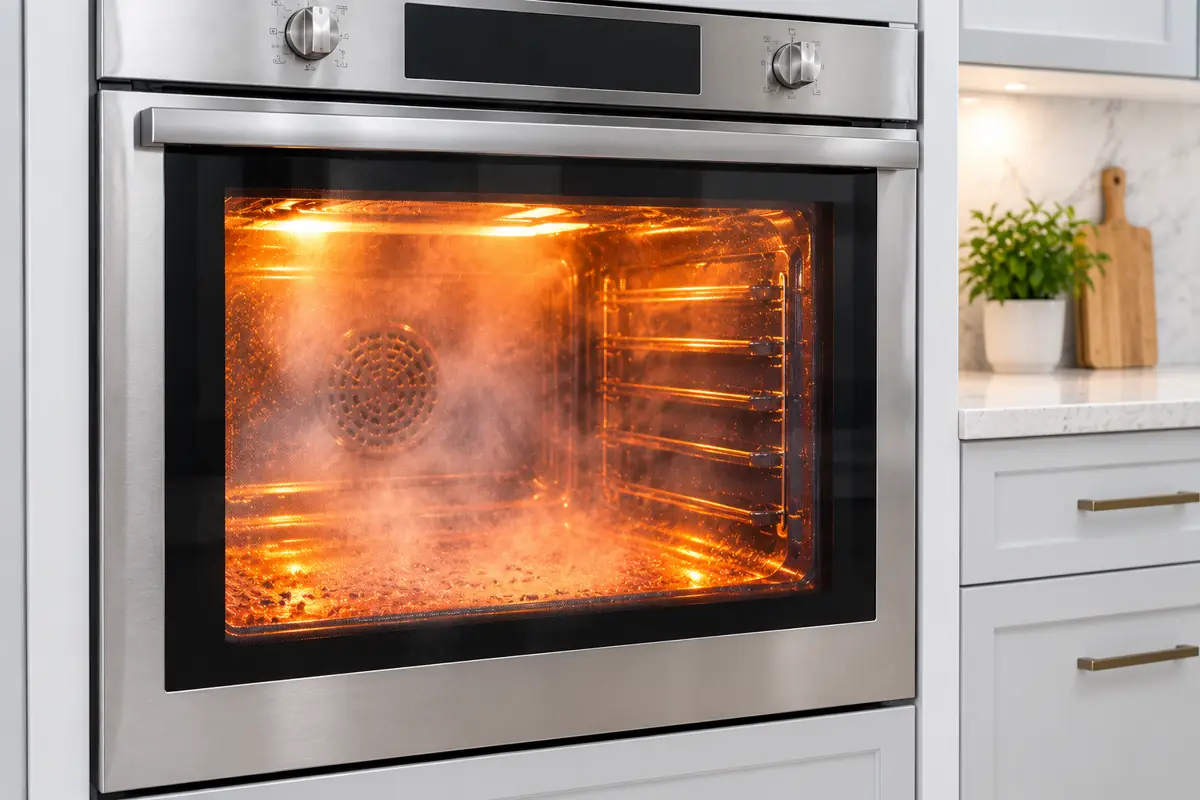
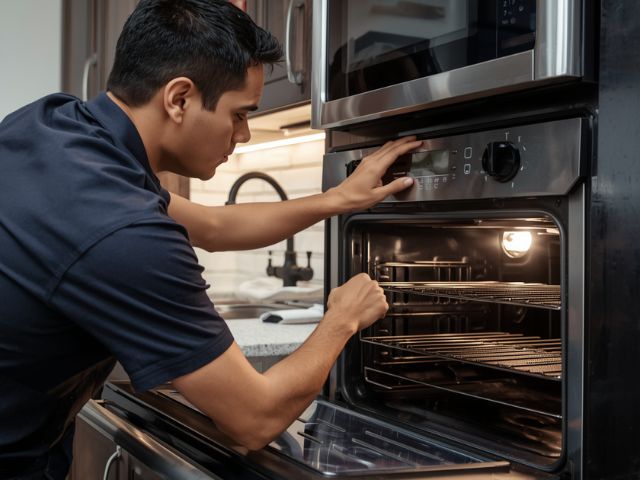
As Los Angeles experiences soaring temperatures during the summer months, the performance and longevity of your Thermador oven can be affected more than you might realize. High heat, both inside and outside your kitchen, can place stress on your appliance’s internal components, potentially leading to uneven cooking, higher energy consumption, or even costly repairs. Taking proactive measures during hot weather can help protect your investment and keep your oven running efficiently for years.
For professional maintenance or urgent repairs, contact Thermador Repair Group for expert service.
Ensure Proper Ventilation Around Your Oven
Hot weather compounds the importance of airflow. Thermador ovens rely on proper ventilation to dissipate heat from internal components. Poor airflow can cause overheating, reducing efficiency and wearing down electronics prematurely.
- Keep surrounding areas clear: Avoid storing items on top of or beside your oven that could block vents.
- Check vent functionality: Make sure vent fans are working and free of obstructions.
- Consider additional cooling: If your kitchen lacks airflow, a small fan or exhaust system can help circulate air and reduce ambient heat.
Good ventilation reduces stress on your oven’s electronics and heating elements, extending their lifespan during extreme summer temperatures.
Regular Cleaning Prevents Heat-Related Damage
Debris, grease, and food buildup inside your oven can absorb and retain heat, creating hotspots that force the appliance to work harder.
- Self-cleaning cycles: Use Thermador’s self-cleaning function periodically, but avoid frequent cycles in high-heat weather, as excessive heat can strain components.
- Manual cleaning: Wipe down interior surfaces with a soft cloth and non-abrasive cleaner. Pay attention to heating elements and racks to prevent residue buildup.
- Exterior maintenance: Clean the oven’s exterior and control panel to prevent heat from sticking to surfaces and affecting touch-sensitive controls.
A clean oven maintains even temperature distribution and prevents overheating during heavy summer cooking.
Monitor Oven Temperature Accuracy
Thermador ovens are designed to provide precise temperature control, but extreme heat can affect accuracy. In hot climates, the difference between set and actual temperature may become more pronounced.
- Use an oven thermometer: Check the internal temperature regularly to ensure accurate cooking.
- Calibrate if needed: Thermador ovens allow calibration to correct small deviations. Refer to the user manual for step-by-step instructions.
- Avoid overloading: Cooking multiple dishes simultaneously can raise internal heat, forcing the oven to work harder.
Keeping an eye on temperature ensures consistent results while preventing strain on heating elements.
Minimize Door Openings During Peak Heat
Every time you open the oven door, hot air escapes, causing the appliance to expend extra energy to maintain the set temperature. This is particularly taxing during hot weather when your oven already struggles against high ambient temperatures.
- Plan ahead: Prepare ingredients and cookware before preheating.
- Use the oven light: Check food progress through the viewing window instead of opening the door repeatedly.
- Time management: Batch cooking strategically reduces the number of times the door is opened.
Reducing door openings preserves energy and protects oven components from unnecessary thermal stress.
Maintain Proper Oven Seals and Gaskets
Your Thermador oven relies on tight seals and gaskets to retain heat efficiently. In hot weather, degraded gaskets can worsen energy loss and force your oven to overcompensate.
- Inspect regularly: Look for cracks, tears, or flattened areas on door gaskets.
- Clean seals gently: Use mild soap and water to remove grease or debris that might compromise the seal.
- Replace when worn: Thermador replacement gaskets are readily available and relatively easy to install.
A strong seal ensures optimal heat retention, reduces cooking times, and prevents unnecessary wear on the appliance.
Reduce External Heat Exposure
The kitchen environment plays a huge role in your oven’s performance. Avoid placing the oven near sources of additional heat during warm months.
- Keep away from sunlight: Direct sun can raise internal kitchen temperatures, making your oven work harder.
- Limit adjacent appliance heat: Avoid running multiple heat-generating appliances nearby simultaneously.
- Air conditioning and fans: Maintaining a cooler ambient temperature helps your oven operate more efficiently.
By controlling external heat exposure, you prevent added stress on internal components and preserve longevity.
Schedule Preventive Maintenance
Even with careful daily care, professional maintenance is essential to extend the life of your Thermador oven.
- Annual check-ups: Certified technicians can inspect heating elements, sensors, and electronics to ensure they are in peak condition.
- Early detection of issues: Hot weather can exacerbate minor problems like wiring degradation or thermostat inaccuracies.
- Expert cleaning: Technicians can clean hard-to-reach areas, vents, and components that homeowners might miss.
Regular service minimizes the risk of breakdowns and keeps your oven running like new during high-heat months.
Smart Cooking Habits for Summer
Adjusting your cooking habits can also reduce strain on your Thermador oven:
- Use convection mode: Convection cooking distributes heat evenly, reducing cooking time and stress on heating elements.
- Batch smaller meals: Smaller cooking loads prevent the oven from overheating.
- Avoid prolonged preheating: Only preheat as needed to save energy and reduce heat buildup.
Smart habits help your oven last longer while also keeping your kitchen cooler.
Protect Electronic Components from Heat
Modern Thermador ovens have sophisticated electronic controls, which are sensitive to prolonged heat exposure.
- Power surge protection: Use surge protectors to prevent voltage spikes during summer storms.
- Avoid high humidity: Excess humidity in the kitchen can damage circuits over time.
- Keep the panel clean: Grease and grime can retain heat and affect control performance.
Protecting electronics is critical for preventing costly repairs and maintaining precise temperature control.
Learn From Other Thermador Appliance Insights
If you want to dive deeper into preventing appliance failures during hot weather, check out our previous blog, “Top 7 Common Thermador Freezer Problems in Long Beach”. Understanding patterns in related appliances can help you proactively care for your oven and other kitchen devices.
Frequently Asked Questions
- How often should I clean my Thermador oven during hot weather?
At minimum, wipe spills immediately and perform a deep cleaning every 4–6 weeks, adjusting based on usage. - Can high summer temperatures shorten my oven’s lifespan?
Yes, excessive ambient heat increases stress on heating elements and electronics, making preventive care essential. - Should I schedule professional maintenance more often in hot climates?
Annual inspections are standard, but in extremely hot weather or heavy usage, a semi-annual check can prevent overheating issues. - Are convection settings better during high heat?
Yes, convection cooking reduces internal heat load and distributes it evenly, reducing strain on the appliance. - How do I know if my oven gasket needs replacement?
Check for visible wear, gaps, or heat escaping from the door during operation. Replacing worn gaskets can improve efficiency significantly.
Conclusion: Summer Care Is Key to Longevity
Hot weather doesn’t have to take a toll on your Thermador oven. By implementing proper ventilation, regular cleaning, temperature monitoring, mindful cooking habits, and timely professional maintenance, you can keep your appliance performing optimally for years.
Your Thermador oven is a long-term investment in your home and culinary lifestyle. Protecting it during high temperatures ensures consistent results, energy efficiency, and fewer unexpected repairs.
For expert guidance or repair, reach out to Thermador Repair Group today and ensure your oven is summer-ready. Proactive care now will save you time, money, and kitchen headaches later.