Thermador gas stoves are renowned for their precision, durability, and professional-grade performance. But like any high-quality appliance, even the most reliable stoves can develop issues over time. Knowing how to address common problems efficiently can save you stress, time, and unnecessary repair costs.
For homeowners and culinary enthusiasts, mastering the basics of Thermador gas stove maintenance and repair is invaluable. In this guide, you’ll learn practical, step-by-step advice to troubleshoot issues safely, avoid mistakes, and ensure your stove continues to perform at its peak.
Recognizing Common Thermador Gas Stove Issues
Before diving into repairs, it’s crucial to identify the signs that your Thermador stove needs attention. Some issues are obvious, while others may develop gradually.
Typical problems include:
- Ignition failures: Burners won’t light or take multiple attempts to ignite.
- Uneven flame: Flames flicker, are low, or burn unevenly.
- Gas odors: Smelling gas around the stove indicates a serious issue.
- Control malfunctions: Knobs or digital interfaces fail to respond correctly.
Understanding the problem clearly allows you to choose the right repair approach. Always prioritize safety first: if you detect a strong gas smell or suspect a leak, turn off the gas supply immediately and call a professional.
Safety First: Preparing for Repairs
Thermador stoves run on gas and electrical connections, making safety non-negotiable during repairs.
Essential safety steps:
- Turn off the gas supply at the main valve.
- Unplug the stove to prevent electrical hazards.
- Ventilate your kitchen to disperse any lingering gas.
- Use protective gear such as gloves and safety glasses.
- Keep a fire extinguisher nearby in case of unexpected flare-ups.
Taking these precautions ensures you can troubleshoot and repair efficiently without risking injury or damage.
Step 1: Cleaning Burners and Igniters
Many Thermador stove issues stem from clogged burners or dirty igniters. Regular maintenance keeps your stove operating efficiently.
How to clean:
- Remove burner grates and caps.
- Use a soft brush or toothbrush to clear debris from the burner holes.
- Wipe igniters gently with a damp cloth, avoiding excessive moisture.
- Check that all burner components are seated correctly before reassembling.
This simple step often resolves ignition problems and uneven flames without additional repairs.
Step 2: Inspecting Gas Supply Lines
If cleaning doesn’t fix the problem, the next step is checking your gas supply.
Inspection tips:
- Ensure the main gas valve is fully open.
- Look for loose or damaged connections behind the stove.
- Use a soapy water solution to check for leaks—bubbles indicate gas escaping.
- Tighten fittings carefully without over-torquing.
If you detect persistent leaks or suspect a faulty gas line, it’s best to contact certified professionals. Gas-related repairs are delicate and dangerous.
Step 3: Testing and Replacing Igniters
Thermador stove igniters can wear out or fail over time, causing inconsistent lighting.
Replacement steps:
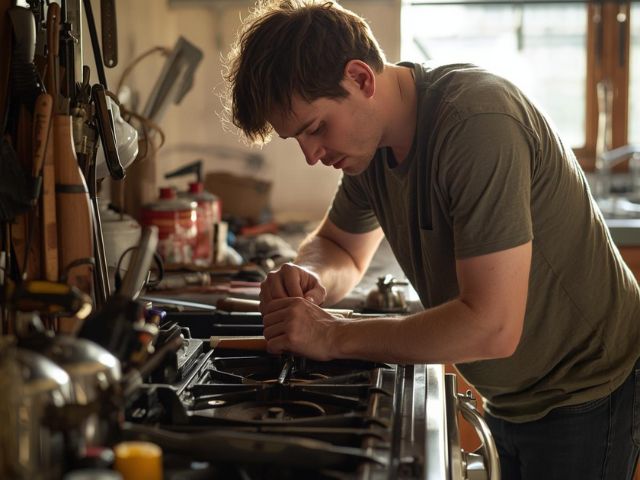
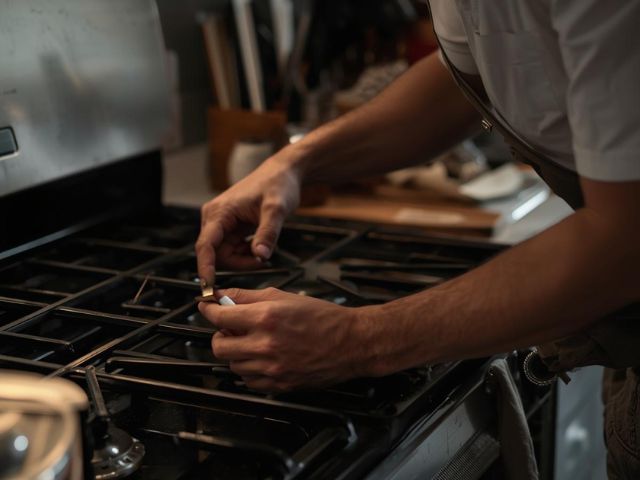
- Remove the burner assembly to access the igniter.
- Disconnect the igniter wire carefully.
- Install a new, compatible Thermador igniter.
- Reconnect the wire and test the burner.
Properly functioning igniters are critical for safety and stove performance. If replacement seems intimidating, trained technicians can perform this quickly and correctly.
Step 4: Adjusting Flame Settings
Sometimes the stove works but the flame is uneven or too high/low. Flame adjustment ensures consistent heat for cooking.
Adjustment process:
- Remove the control knob to access the adjustment screw.
- Turn the screw slightly while testing the flame to reach the desired height.
- Ensure all burners produce uniform, blue flames without yellow tips.
Correct flame adjustment not only improves cooking results but also prevents wasted gas and potential safety hazards.
Step 5: Checking Electrical Components
Many modern Thermador gas stoves include electronic controls for timers, digital displays, and ignition systems. Malfunctioning electronics can mimic gas or burner issues.
Troubleshooting electronics:
- Inspect control panels for visible damage or burned components.
- Test fuses or circuit breakers connected to the stove.
- Replace faulty wiring or components using compatible Thermador parts.
Electrical repairs require caution; if you’re uncomfortable handling wiring, a professional can safely diagnose and repair these issues.
Step 6: When to Call Thermador Repair Experts
Some repairs are beyond DIY safety limits, especially gas leaks, major electrical faults, or persistent flame irregularities.
Certified technicians bring:
- Specialized knowledge of Thermador models.
- Proper tools for safe gas and electrical repairs.
- Assurance of lasting, professional-grade fixes.
For comprehensive Thermador stove servicing, contact Thermador Repair Group for reliable support and expert solutions.
Preventative Tips to Extend Stove Lifespan
Maintenance is easier than emergency repairs. Following these preventative tips helps keep your Thermador stove running smoothly:
- Clean regularly: Wipe spills immediately to prevent buildup.
- Inspect burners monthly: Remove debris that can block flames.
- Check gas lines annually: Look for wear or leaks before they become dangerous.
- Avoid harsh cleaners: Use non-abrasive solutions to protect surfaces and electronics.
- Schedule professional servicing: Annual inspections prevent costly repairs.
Even small habits make a big difference in stove efficiency and longevity.
Benefits of Professional Thermador Stove Maintenance
Professional maintenance isn’t just about repairs—it’s about keeping your stove in top condition.
- Maximized performance: Proper servicing ensures burners and ovens maintain precise temperatures.
- Enhanced safety: Technicians identify and fix gas or electrical hazards.
- Extended lifespan: Routine care reduces wear and tear.
- Peace of mind: Certified experts guarantee reliable repairs.
Regular maintenance is an investment in your stove and your kitchen’s safety.
Learn from Other Thermador Appliance Repairs
For more insights on common Thermador issues and expert tips, check out Glendale Locals’ Most Requested Thermador Appliance Repairs. This resource highlights frequent repairs and solutions that keep Thermador appliances running flawlessly.
Frequently Asked Questions About Thermador Gas Stoves
- Can I repair a gas stove myself safely?
Basic cleaning and minor adjustments are manageable, but gas leaks and electrical repairs require certified expertise. - How often should I inspect my Thermador stove?
Monthly inspections for burners and quarterly checks for gas lines are recommended, with professional servicing yearly. - What should I do if a burner won’t ignite?
Start by cleaning the burner and igniter. If the issue persists, check the gas line and consider replacing the igniter. - How do I know if flame adjustment is needed?
Uneven flame height, yellow tips, or flickering indicate adjustment is necessary. - Why choose professional Thermador repair services?
Certified professionals provide safe, efficient, and long-lasting repairs with access to authentic Thermador parts.
Conclusion: Keep Your Thermador Stove Performing Perfectly
A Thermador gas stove is a significant investment, and keeping it running smoothly requires both knowledge and care. By following step-by-step maintenance, performing basic repairs safely, and knowing when to call professionals, you can enjoy precise cooking performance for years to come.
Whether it’s cleaning burners, adjusting flames, replacing igniters, or handling complex electrical issues, these practical steps make stove care approachable. For guaranteed safety and optimal results, Thermador Repair Group offers expert assistance, ensuring your stove delivers the professional-grade performance it was designed for.