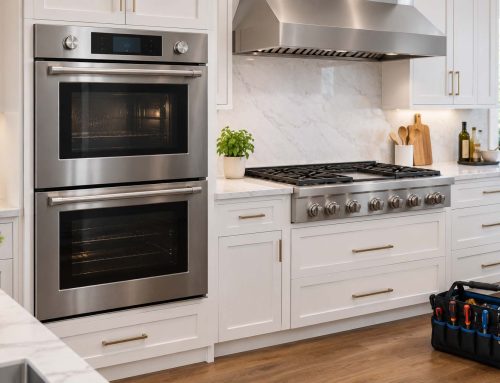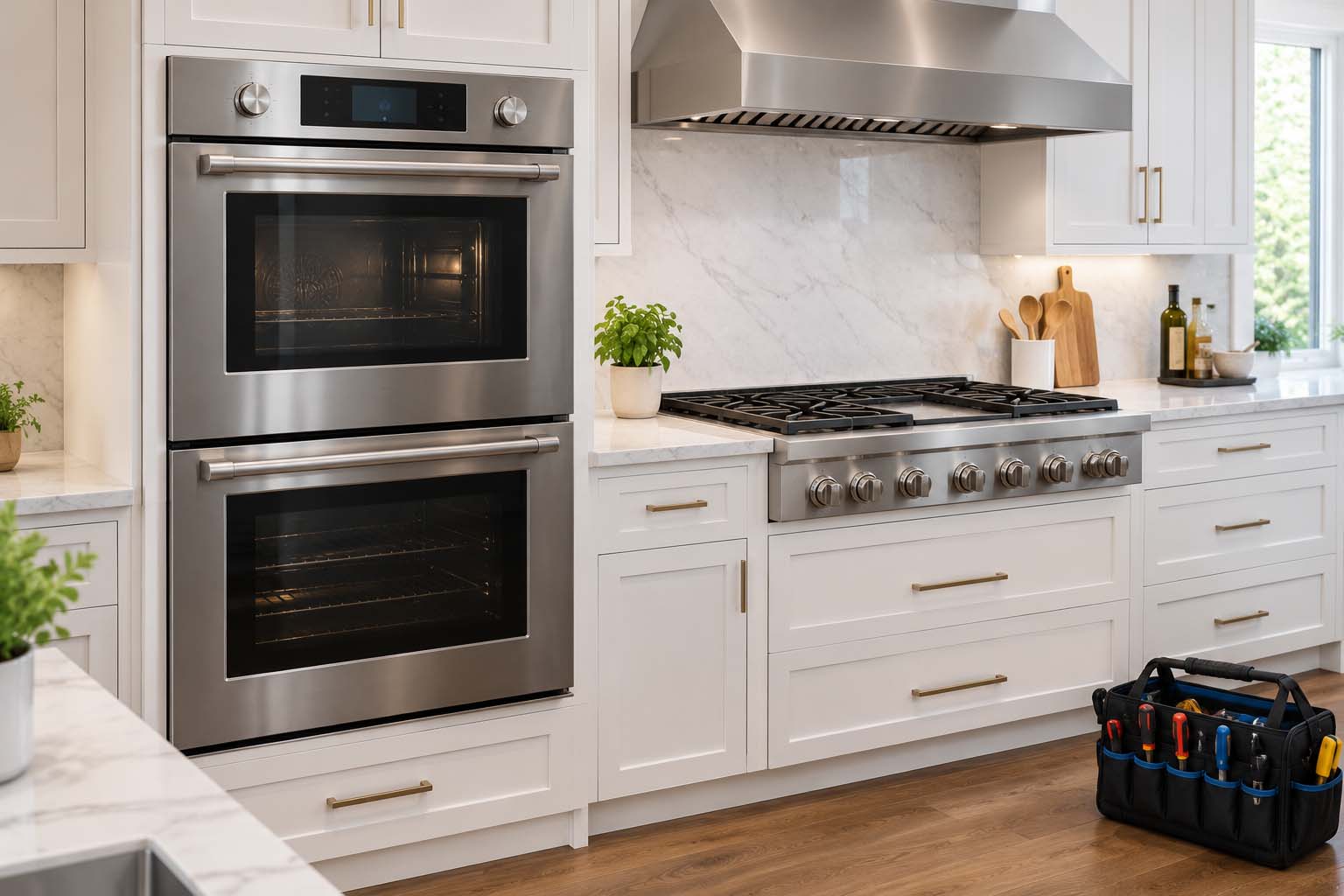

A Thermador oven that refuses to heat can disrupt your cooking plans and throw off your kitchen schedule. Whether it’s a dinner for the family or prepping meals for the week, a malfunctioning oven is frustrating. Understanding the most common causes of heating issues—and how to address them—can save time, money, and unnecessary stress.
For professional guidance and repairs, Thermador Repair Group offers reliable services to restore your oven’s performance efficiently.
Common Reasons a Thermador Oven Stops Heating
When your oven fails to heat properly, it doesn’t necessarily mean the appliance is beyond repair. Several factors can prevent a Thermador oven from warming up as expected:
- Faulty Heating Elements
Ovens rely on both bake and broil heating elements to generate heat. Over time, these elements may burn out or become damaged. Signs of a faulty heating element include visible breaks, blisters, or darkened areas. - Malfunctioning Oven Thermostat
The thermostat regulates oven temperature. If it fails, your oven may remain cold, overheat, or heat inconsistently. A malfunctioning thermostat often leads to uneven cooking results. - Electrical Supply Issues
Thermador ovens need a consistent power source. Check your circuit breaker or power connection. A tripped breaker or loose wire can stop your oven from heating entirely. - Defective Oven Control Board
Modern Thermador ovens rely on electronic control boards. If the board is faulty, the oven may fail to respond to temperature settings or fail to heat altogether. - Door Lock or Sensor Problems
Certain models have door safety mechanisms and temperature sensors. A faulty door lock or sensor can prevent the oven from activating heating elements as a safety precaution.
How to Troubleshoot a Thermador Oven Not Heating
Before calling a professional, there are safe steps you can take to troubleshoot your oven:
Check the Power Supply
- Ensure the oven is properly plugged in.
- Inspect your home’s circuit breaker for tripped switches.
- Test the outlet with another appliance to confirm it’s delivering power.
Inspect Heating Elements
- Turn off the oven and let it cool completely.
- Remove oven racks and visually check the bake and broil elements.
- Look for cracks, breaks, or discoloration. Damaged elements should be replaced.
Test the Thermostat
- Preheat the oven and use an oven thermometer to check actual temperature.
- If the temperature does not match the setting, the thermostat may need recalibration or replacement.
Reset the Oven Control Board
- Some issues can be resolved by turning off the oven’s power for a few minutes and then restarting it.
- Persistent problems may indicate a malfunctioning control board requiring professional replacement.
Examine Door Locks and Sensors
- Ensure the oven door closes completely and latches securely.
- Check for error codes or blinking lights, which may indicate sensor malfunctions.
When to Call a Professional
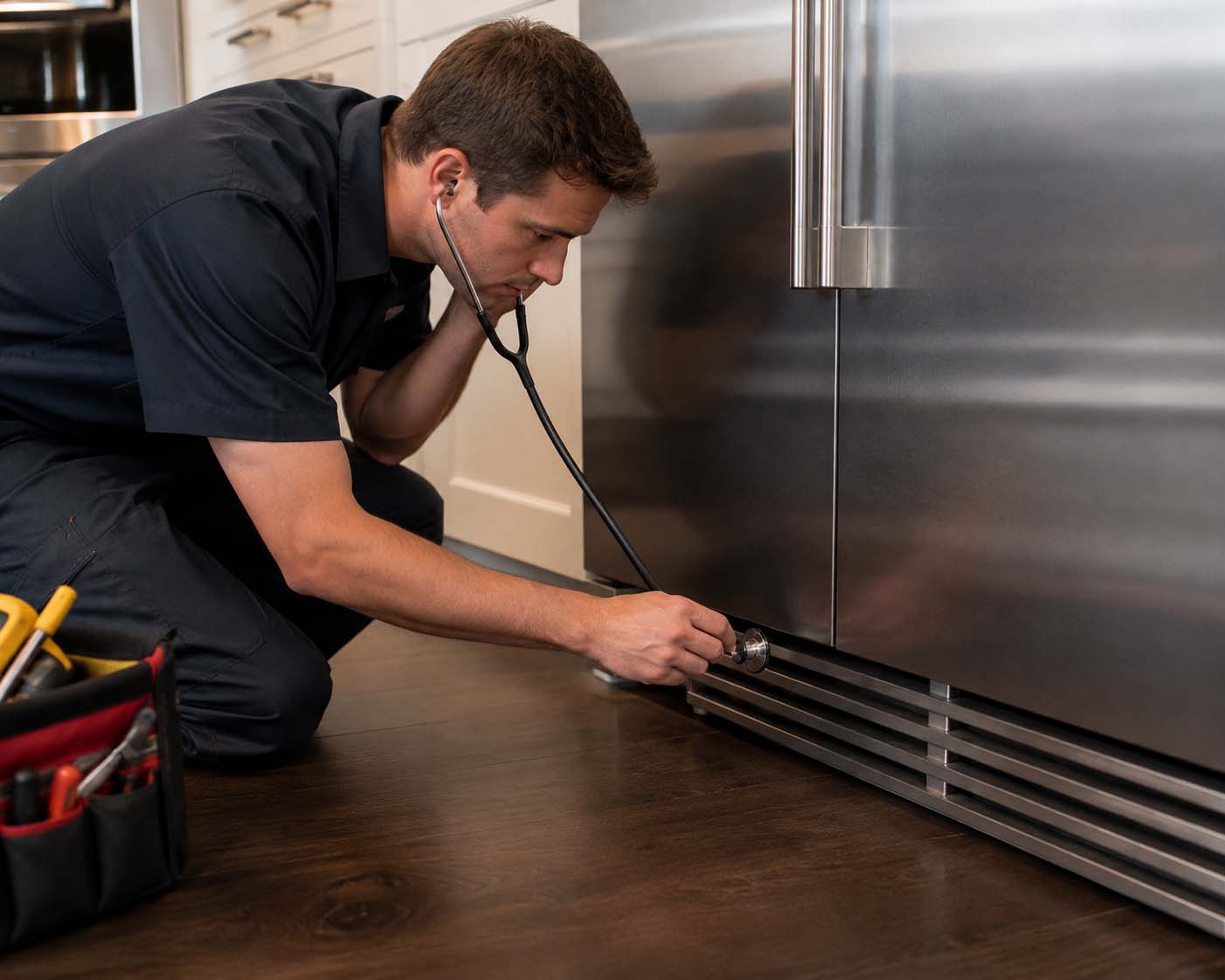
While some minor issues can be addressed at home, most Thermador oven problems require specialized knowledge and tools. Calling a certified technician prevents potential hazards like electric shock, appliance damage, or fire.
If troubleshooting does not restore heating, or if you notice complex electronic failures, unusual smells, or sparks, it’s time to reach out to experts. Thermador Repair Group has trained professionals familiar with every Thermador oven model, ensuring safe and precise repairs.
For more guidance on finding reliable technicians, check out our related article: How to Find Trusted Thermador Repair Group Experts in San Francisco.
Preventing Thermador Oven Heating Issues
Prevention is always better than repair. Simple care routines can extend the lifespan of your oven and reduce the chances of heating problems:
Regular Cleaning
Grease and food residue can interfere with heating elements. Clean your oven thoroughly at least once a month using recommended Thermador cleaning products.
Avoid Overloading the Oven
Overcrowding can prevent heat from circulating evenly, causing the oven to work harder and strain heating elements.
Routine Maintenance Checks
Schedule periodic inspections with professionals to ensure components like thermostats, sensors, and control boards are functioning properly.
Proper Usage
Follow manufacturer guidelines for preheating, temperature adjustments, and cooking times. Avoid using aluminum foil to cover the oven floor or elements, which can disrupt heat distribution.
Signs You Need Immediate Thermador Oven Repair
Watch for these indicators of serious issues requiring professional intervention:
- Oven does not heat at all despite power supply being active.
- Inconsistent heating leading to undercooked or burnt food.
- Visible damage to heating elements or exposed wires.
- Frequent error codes or unresponsive control panels.
- Burning smells, sparks, or unusual sounds during operation.
Ignoring these signs can worsen damage, increase repair costs, or create safety hazards.
Choosing the Right Thermador Repair Service
Finding a trusted service provider is key to a successful repair. Consider these factors:
Certified Technicians
Ensure the company employs technicians trained specifically on Thermador appliances.
Prompt Service
Look for providers who can respond quickly, minimizing downtime in your kitchen.
Transparent Pricing
Reliable services provide upfront estimates with no hidden charges.
Customer Reviews
Positive reviews from homeowners indicate consistent quality and trustworthy work.
Warranty on Repairs
A repair warranty shows confidence in workmanship and protects you against recurring issues.
By selecting a professional service with these qualities, you ensure your oven is repaired safely, efficiently, and with long-term reliability.
Final Thoughts: Keep Your Thermador Oven Heating Perfectly
A Thermador oven not heating is more than a minor inconvenience—it can disrupt your daily routine and cooking plans. While some troubleshooting steps are safe to attempt at home, relying on trained professionals ensures the repair is done correctly, preventing further issues.
Whether it’s replacing a heating element, recalibrating a thermostat, or fixing electronic controls, Thermador Repair Group offers expert solutions for every Thermador oven model. Combine routine maintenance with timely professional repairs, and your oven will continue to deliver optimal performance for years to come.
Investing in professional care today prevents major headaches tomorrow and keeps your kitchen running smoothly. Don’t wait for minor heating issues to turn into major repairs—take action now and restore your Thermador oven to its full potential.