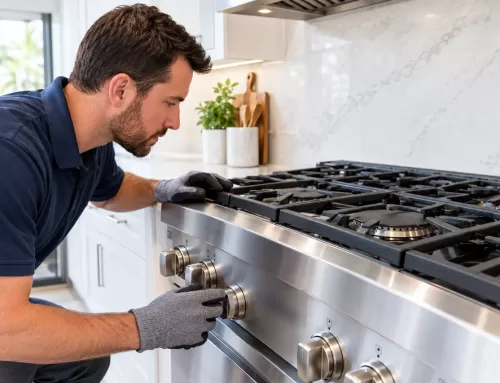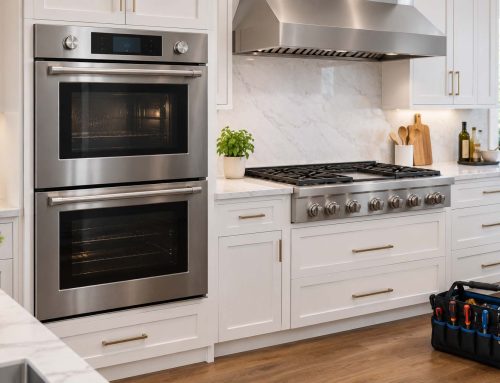

Summer brings warmth, sunshine, and for many, the challenge of keeping appliances running efficiently. High temperatures don’t just affect your comfort—they can also trigger a range of issues with your kitchen appliances, especially high-end stoves like those from Thermador. Homeowners across the country report that during peak heat months, their stoves behave unpredictably, creating frustration and sometimes safety concerns. Understanding why this happens, how to spot the problems early, and what solutions are available can save time, money, and stress.
From uneven burners to electronic malfunctions, hot weather can exacerbate underlying stove issues that otherwise go unnoticed. With the right knowledge, you can address these problems promptly or prevent them altogether.
Why Thermador Stoves Are Sensitive to Heat
Thermador stoves are designed for precision and luxury cooking, but like any high-tech appliance, they are sensitive to their environment. Extreme heat can influence:
- Internal electronics: Thermador stoves use advanced sensors and control boards that can overheat in high temperatures.
- Gas flow and burner performance: Heat expansion can affect gas lines, resulting in inconsistent flame levels.
- Material stress: Prolonged exposure to heat can warp internal components or affect seals.
While a Thermador stove is engineered to withstand typical kitchen conditions, summer heat combined with heavy use can reveal vulnerabilities.
Common Hot Weather Problems with Thermador Stoves
1. Burner Ignition Issues
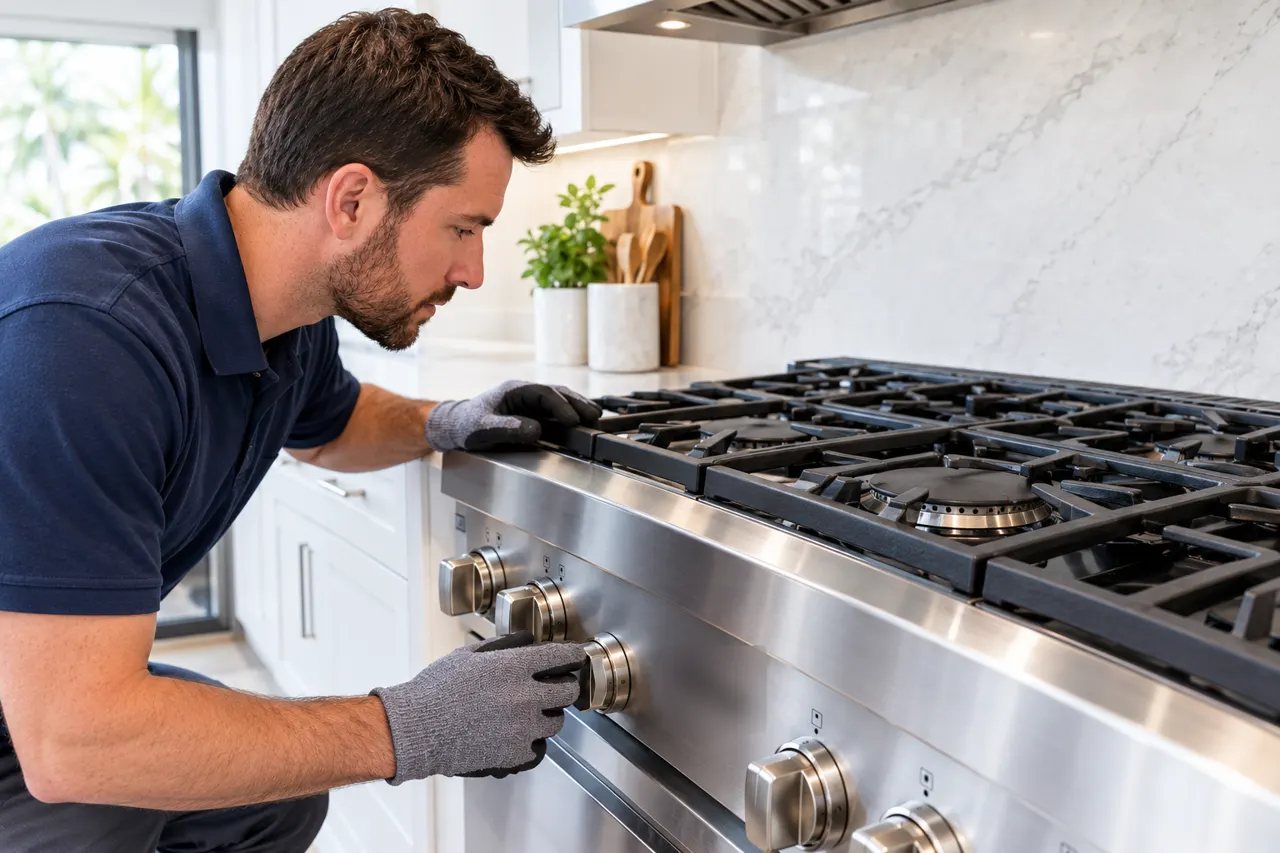
During summer, many Thermador owners notice burners taking longer to ignite or failing to light altogether. Causes include:
- Heat-induced electronic delays in ignition modules.
- Gas pressure fluctuations in warm weather.
- Moisture accumulation from humidity causing short circuits.
If left unchecked, repeated failed ignition attempts can wear out components faster. Simple preventive steps, like ensuring burners and igniters are clean and dry, can reduce these failures.
2. Uneven Heating Across Burners
A stove that heats unevenly is not just an inconvenience—it affects your cooking outcomes. Hot weather can make this issue more prominent because:
- Heat causes minor distortions in burner alignment.
- Electronic flame sensors may react slower due to temperature stress.
- Gas flow may be inconsistent due to expansion in tubing.
Regular inspection and cleaning can help, but persistent uneven heating may require professional evaluation.
3. Overheating Control Boards
Thermador stoves rely heavily on electronic control boards for precise cooking functions. When ambient kitchen temperatures rise:
- Control boards can overheat and temporarily shut down.
- Malfunctions in touch panels may appear, including unresponsive or erratic buttons.
- Error codes may display more frequently.
A quick fix is ensuring proper ventilation around your stove. In persistent cases, replacement by certified technicians is recommended.
4. Oven Struggling to Maintain Heat
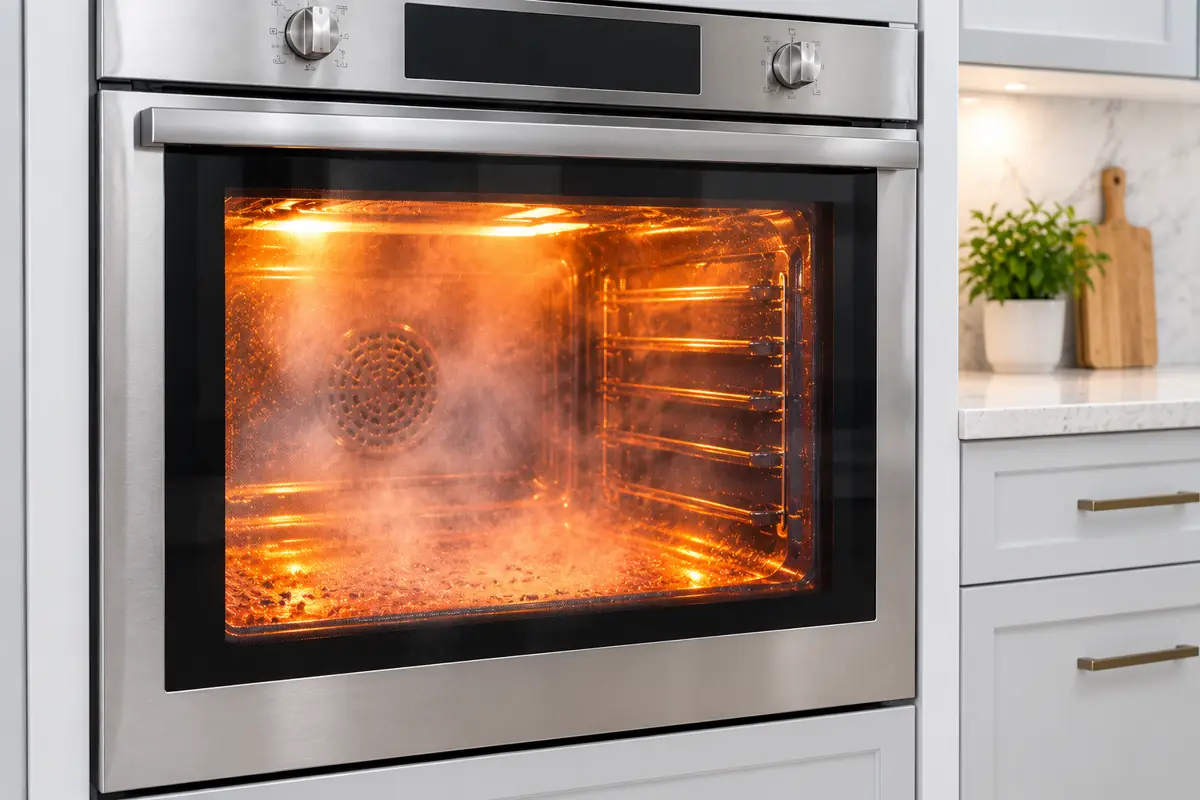
High external temperatures can affect your oven’s ability to reach or maintain target temperatures. Thermador ovens may:
- Take longer to preheat.
- Show fluctuating temperatures during baking.
- Trigger the stove’s safety mechanisms, causing unexpected shutdowns.
Homeowners curious about more in-depth explanations of oven heating issues can read Why Are Thermador Ovens Struggling to Heat in Austin? for expert insights.
5. Gas Smell or Minor Leaks
Hot weather can make subtle gas leaks more noticeable due to pressure changes in the system. Signs include:
- A faint gas odor around burners.
- Hissing sounds near gas connections.
- Occasional burner flame instability.
Immediate action is essential. Turn off gas supply and contact a certified repair professional to prevent hazards.
6. Surface Warping or Cracks
Thermador stoves are made of high-quality materials, but heat stress combined with heavy use can cause:
- Warping of the stovetop.
- Small cracks in enamel surfaces.
- Loosened screws or fasteners in critical areas.
Routine inspections and avoiding prolonged exposure to direct sunlight near windows can prevent damage.
7. Safety Feature Malfunctions
Stoves today come with built-in safety mechanisms, like automatic shut-offs. High heat can:
- Trigger false safety alarms.
- Disable burners intermittently.
- Cause sensor misreads.
Understanding your stove’s safety indicators is crucial—don’t ignore recurring alerts, as they often indicate internal stress.
Preventing Summer Stove Problems
While some issues are unavoidable, homeowners can take proactive measures:
- Keep the kitchen cool: Use fans, AC, or open windows to maintain a manageable ambient temperature.
- Regular cleaning: Grease and moisture buildup worsen in heat. Clean burners, drip pans, and igniters often.
- Ventilation: Ensure the stove area has sufficient airflow; vents and hood fans should be unobstructed.
- Check gas connections: Inspect hoses, fittings, and pressure regulators for wear or looseness.
- Scheduled maintenance: A professional tune-up before summer can detect small issues before they escalate.
Proactive care not only prevents stove malfunctions but also extends the lifespan of your Thermador appliance.
When to Call a Professional
Some problems are best handled by experts. If your Thermador stove shows:
- Persistent burner ignition failures
- Fluctuating oven temperatures
- Gas leaks or hissing sounds
- Control board malfunctions
…then it’s time to contact professionals. Certified technicians have the tools and expertise to diagnose issues accurately and repair them safely.
For homeowners seeking reliable service, Thermador Repair Group offers expert solutions for Thermador stoves. They handle all common hot weather issues, from ignition problems to electronic repairs, ensuring your stove performs flawlessly even during peak summer heat.
Tips for Safe Summer Cooking
To keep your kitchen safe and efficient:
- Avoid using multiple high-heat appliances simultaneously in a poorly ventilated space.
- Use burner grates and stove tops correctly to prevent uneven heat stress.
- Keep flammable materials away from hot burners.
- Monitor your stove for unusual noises, odors, or error messages.
Awareness is key. Small preventive steps prevent larger repairs and maintain cooking efficiency.
The Benefits of Timely Thermador Stove Maintenance
Regular maintenance during hot months provides:
- Reduced repair costs: Addressing small issues prevents expensive replacements.
- Extended appliance lifespan: Heat stress accelerates wear if neglected.
- Safety assurance: Early detection of gas leaks or electrical problems protects your home.
- Optimal cooking performance: Burners and ovens function as designed, even under high ambient temperatures.
Remember, even a luxury stove benefits from routine inspections, especially in challenging seasonal conditions.
Real Stories from Homeowners
Many Thermador stove owners notice a seasonal pattern: the hotter it gets, the more frequent the minor annoyances. Common experiences include:
- Delayed ignition during summer evenings.
- Oven temperatures fluctuating despite careful calibration.
- Control panels briefly becoming unresponsive after prolonged use.
Sharing experiences and tips within communities can help homeowners troubleshoot small problems before they escalate.
Preparing Your Thermador Stove for Hot Weather
Step 1: Schedule a professional inspection before peak summer months.
Step 2: Clean burners, igniters, and vents thoroughly.
Step 3: Check for loose connections, warped surfaces, or unusual odors.
Step 4: Maintain a cool kitchen environment and ensure proper airflow.
Step 5: Keep a trusted service provider’s contact handy for urgent repairs.
Following these steps significantly reduces the likelihood of heat-related stove problems.
FAQs About Thermador Stove Problems in Hot Weather
- Are Thermador stoves more prone to problems in summer?
Yes, extreme heat can amplify minor mechanical or electronic issues, making them noticeable. - Can I prevent burner ignition issues at home?
Yes, keep burners clean, dry, and free of debris, and maintain proper ventilation around your stove. - Is it safe to continue using a stove with intermittent error messages?
Intermittent errors often indicate heat stress on electronics. Contact a certified repair service promptly for safety. - How often should I schedule maintenance for a Thermador stove?
Annual professional inspections are recommended, with additional checks during peak summer months. - Can heat cause permanent damage to my stove?
Prolonged exposure to high temperatures without preventive care can warp materials and affect electronics, reducing lifespan.
Conclusion: Keep Your Thermador Stove Cool and Reliable
Hot weather doesn’t have to mean stove frustration. Understanding the seasonal challenges your Thermador stove faces—and taking proactive steps—ensures consistent performance and safe operation. From burner ignition to oven heat maintenance, early detection and professional support make all the difference.