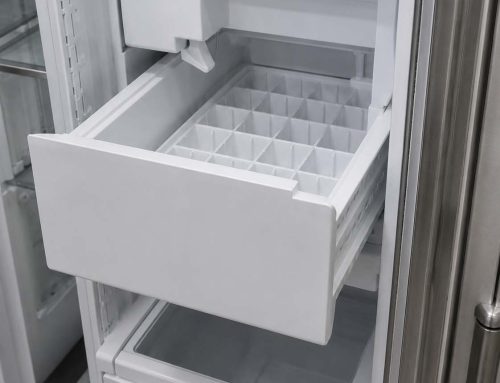
When summer temperatures rise, your Thermador ice maker works overtime to keep up with demand. Whether you’re hosting gatherings, cooling down with drinks, or simply relying on a steady ice supply, the added strain of heat can quickly reveal hidden issues. What many homeowners don’t realize is that high temperatures don’t just affect comfort—they can significantly impact appliance performance.
From reduced ice production to complete system failure, summer heat introduces a range of hazards that can disrupt your ice maker’s efficiency. The good news? Many of these problems can be prevented or resolved with simple, proactive steps.
Why Summer Heat Puts Extra Stress on Your Ice Maker
Ice makers are designed to operate within a specific temperature range. When ambient temperatures climb, especially in kitchens without optimal ventilation, your appliance has to work much harder to maintain freezing conditions.
Excessive heat can:
- Force the compressor to run longer cycles
- Reduce freezing efficiency
- Increase wear and tear on internal components
- Cause inconsistent ice production
The result is not just higher energy consumption, but also a shorter lifespan for your unit if left unaddressed.
Slower Ice Production During Hot Weather
One of the most noticeable effects of summer heat is a sudden drop in ice production. If your ice maker seems slower than usual, the surrounding temperature may be the culprit.
When the environment is too warm, the freezing cycle takes longer to complete. This delay leads to fewer batches of ice being produced throughout the day.
Quick Fixes:
- Keep the room well-ventilated to reduce ambient heat
- Avoid placing the appliance near ovens, dishwashers, or direct sunlight
- Lower the freezer temperature slightly to compensate
Small adjustments like these can significantly improve output without overburdening the system.
Overworked Compressor and System Strain
Your ice maker’s compressor is the heart of its cooling system. During summer, it often runs continuously to maintain the required temperature, which increases the risk of overheating.
An overworked compressor can lead to:
- Unusual noises
- Reduced cooling performance
- Eventual system failure
Quick Fixes:
- Ensure there is adequate space around the unit for airflow
- Clean the condenser coils regularly to improve efficiency
- Avoid overloading the ice maker with frequent door openings
Routine maintenance goes a long way in preventing costly repairs.
Melting Ice and Clumping Issues
If you notice your ice cubes sticking together or appearing smaller than usual, heat exposure could be to blame. Even slight temperature fluctuations inside the unit can cause partial melting, leading to clumping.
This not only affects usability but also signals that your ice maker is struggling to maintain consistent cooling.
Quick Fixes:
- Check the door seal for gaps or damage
- Minimize how often the ice bin is opened
- Ensure the freezer compartment is properly closed at all times
Maintaining a stable internal temperature is key to preventing this common issue.
Water Supply Problems in High Temperatures
Summer heat can also impact your ice maker’s water supply. Warmer water entering the system takes longer to freeze, slowing production and potentially affecting ice quality.
Additionally, heat can sometimes cause minor expansions in tubing, leading to leaks or reduced water pressure.
Quick Fixes:
- Inspect water lines for leaks or kinks
- Ensure proper water pressure is maintained
- Use cooler water sources if possible
Keeping your water supply consistent ensures your ice maker performs at its best.
Dirty Condenser Coils and Reduced Efficiency
Dust and debris accumulate faster during summer, especially when windows are open or air circulation increases. Dirty condenser coils make it harder for your ice maker to release heat, forcing it to work harder.
This can result in:
- Higher energy bills
- Slower ice production
- Increased risk of overheating
Quick Fixes:
- Clean condenser coils every few months
- Use a soft brush or vacuum for safe cleaning
- Keep the surrounding area free of dust buildup
A clean system is an efficient system—especially during hot months.
Electrical Component Sensitivity to Heat
High temperatures can also affect the electrical components inside your ice maker. Sensors, control boards, and wiring may become less reliable when exposed to prolonged heat.
This can lead to:
- Irregular ice cycles
- Error codes
- Sudden shutdowns
Quick Fixes:
- Avoid placing the unit near heat-generating appliances
- Ensure proper ventilation around electrical components
- Schedule periodic inspections if issues persist
Addressing these early signs helps prevent more serious malfunctions.
The Importance of Proper Placement
Where your ice maker is located plays a major role in how well it handles summer heat. Units placed in tight spaces or near heat sources are more likely to experience performance issues.
Ideal Placement Tips:
- Keep the appliance away from direct sunlight
- Allow at least a few inches of clearance on all sides
- Avoid installing near ovens or stovetops
Strategic placement reduces strain and enhances long-term reliability.
When Professional Help Becomes Necessary
While many summer-related issues can be resolved with simple fixes, some problems require expert attention. Persistent overheating, electrical issues, or compressor failure should not be ignored.
For reliable service and expert care, consider reaching out to Thermador Repair Group. Their specialized technicians can diagnose and resolve complex issues, ensuring your ice maker continues to perform even in peak summer conditions.
Smart Maintenance Habits for Long-Term Performance
Consistency is the secret to keeping your ice maker running smoothly year-round. Developing a few smart habits can prevent most heat-related issues before they start.
Best Practices:
- Clean coils and vents regularly
- Monitor ice production patterns
- Inspect seals and water lines periodically
- Keep the appliance in a cool, ventilated area
Preventive care not only improves efficiency but also extends the lifespan of your unit.
Learn More About Extending Appliance Life
For deeper insights into maintaining your Thermador appliances and maximizing their lifespan, explore this helpful resource:
How Thermador Repair Experts Prolong Appliance Life in San Jose
This guide offers valuable strategies that complement the tips shared here, helping you keep all your appliances in top condition.
Staying Cool While Your Ice Maker Works Efficiently
Summer should be about relaxation, not worrying about appliance breakdowns. By understanding how heat affects your Thermador ice maker and taking proactive steps, you can avoid disruptions and enjoy a steady supply of ice all season long.
Simple changes—like improving airflow, cleaning components, and monitoring performance—can make a significant difference. And when issues go beyond basic fixes, professional support ensures your appliance stays reliable when you need it most.
Frequently Asked Questions
- Why does my ice maker produce less ice in summer?
Higher temperatures slow down the freezing process, reducing overall ice production. - How often should I clean condenser coils?
It’s recommended to clean them every 2–3 months, especially during warmer seasons. - Can heat damage my ice maker permanently?
Prolonged exposure to high temperatures can strain components and shorten the appliance’s lifespan if not addressed. - What temperature should my freezer be set to?
Typically, 0°F (-18°C) is ideal, but slight adjustments may help during extreme heat. - When should I call a professional?
If you notice persistent issues like overheating, leaks, or electrical malfunctions, it’s best to seek expert assistance.
Keep Your Ice Maker Summer-Ready
Your Thermador ice maker is a valuable part of your kitchen, especially during hot weather. With the right care and attention, it can handle the demands of summer without missing a beat.
Stay proactive, address small issues early, and create an environment that supports optimal performance. With these strategies in place, you’ll enjoy consistent, high-quality ice—no matter how high the temperature climbs.