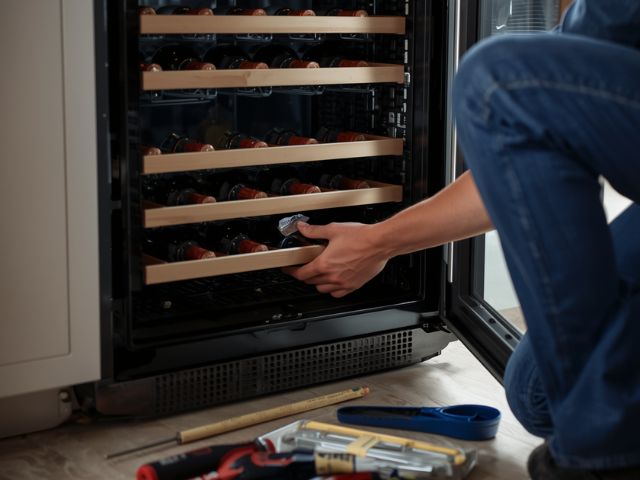
Summer heat in Los Angeles isn’t just uncomfortable—it can also be a silent threat to your prized wine collection. Even minor temperature fluctuations in your home can compromise flavor, aroma, and overall quality. Thermador wine coolers are designed to maintain optimal storage conditions, but like all appliances, they require attention during peak heat months to prevent costly repairs.
By proactively caring for your wine cooler, you can enjoy perfectly chilled bottles year-round, while avoiding issues that could put your collection at risk.
Understanding Common Heat-Related Wine Cooler Problems
Warm months place extra stress on wine coolers. Here are the most common problems Thermador owners face during summer:
- Temperature Instability: High ambient temperatures force your cooler to work harder, risking inconsistent cooling.
- Overworked Compressors: A hot kitchen or direct sunlight can cause the compressor to overheat, reducing lifespan.
- Humidity Fluctuations: Ideal wine storage requires a stable humidity level to prevent cork shrinkage and premature oxidation.
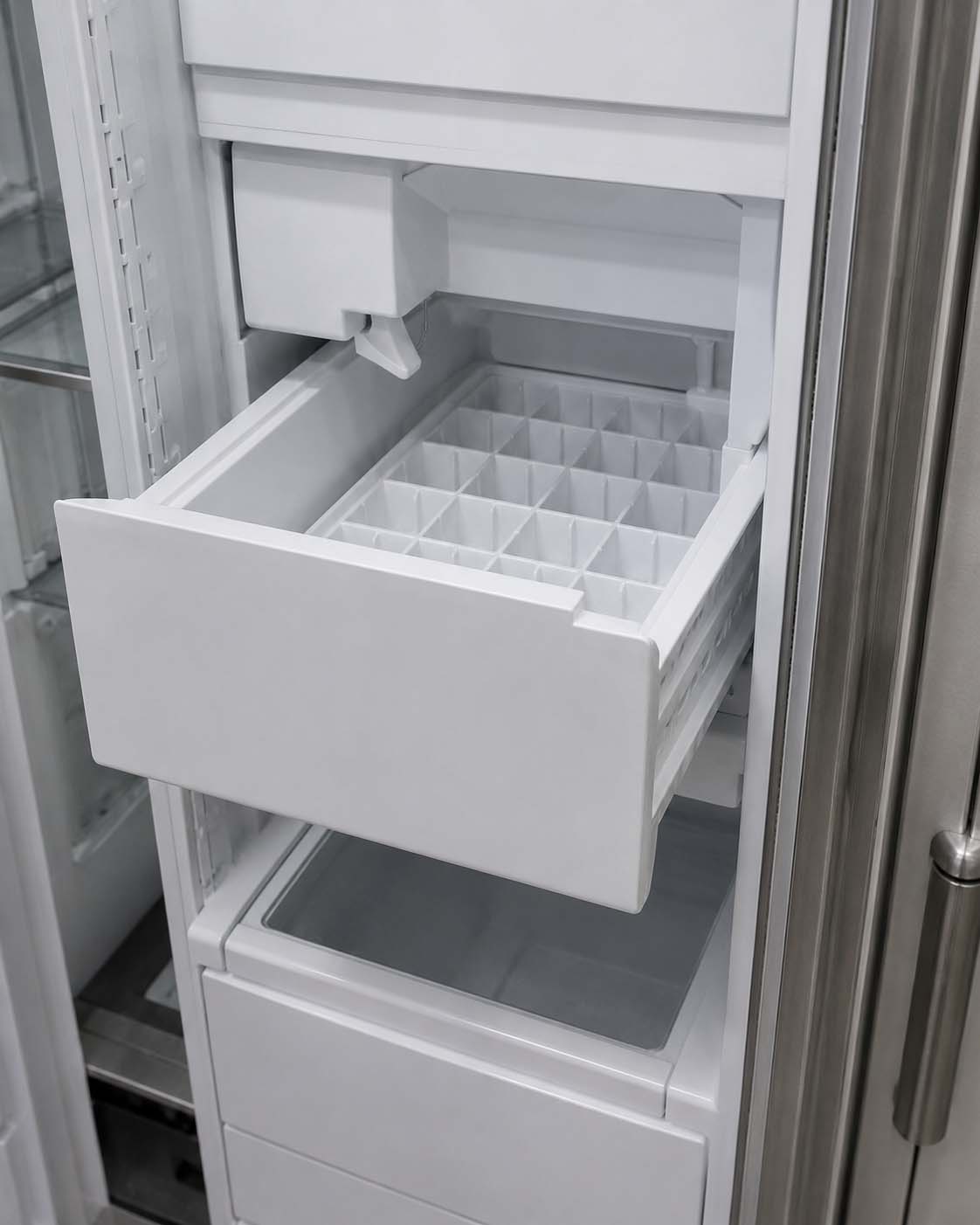
- Frost Build-Up: Some models may accumulate frost when struggling to maintain low temperatures in hot conditions.
Awareness of these issues allows you to intervene early, preventing minor annoyances from turning into expensive repairs.
Optimize Placement for Peak Performance
Where you place your Thermador wine cooler makes a significant difference during warm months. Follow these tips:
- Avoid Direct Sunlight: Sunlight heats the appliance and forces the cooling system to work overtime.
- Maintain Proper Ventilation: Leave at least 2–3 inches of space around the cooler to ensure airflow.
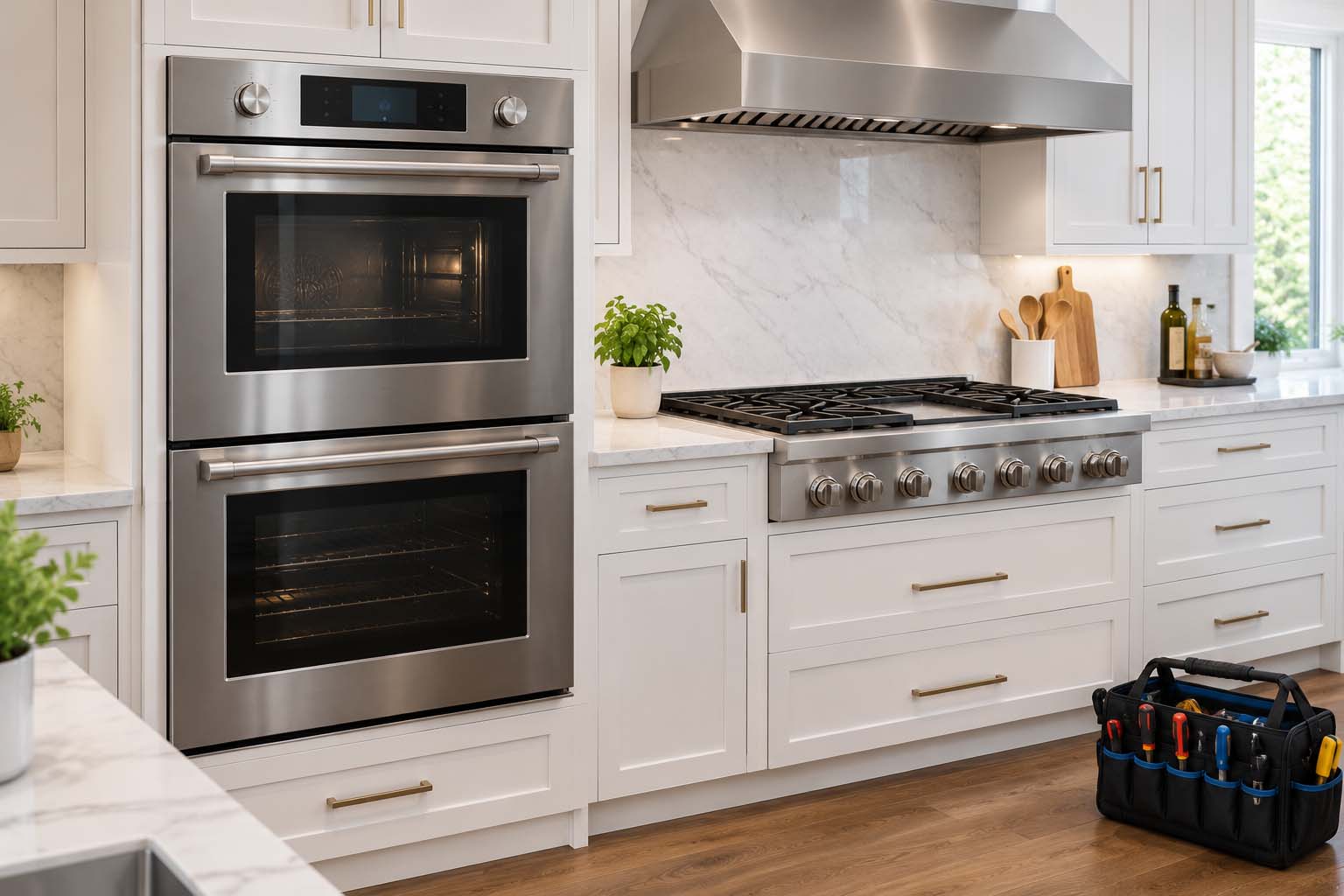
- Separate from Heat Sources: Keep the cooler away from ovens, stoves, or dishwashers, as these appliances radiate heat that affects internal temperature.
Correct placement is the simplest way to reduce stress on your wine cooler, extending its lifespan and keeping your collection safe.
Regular Cleaning and Maintenance
Warm months often accelerate dust and dirt accumulation, which can affect your cooler’s efficiency. Maintenance tips include:
- Condenser Coil Cleaning: Dust on the condenser coil reduces cooling efficiency. Use a soft brush or vacuum attachment monthly.
- Door Seal Inspection: Ensure rubber gaskets are clean and intact. Replace any cracked or worn seals to prevent air leaks.
- Internal Shelving Care: Wipe down shelves and racks with a mild, non-abrasive cleaner to prevent mold or odor buildup.
Routine maintenance reduces the risk of emergency repairs and ensures consistent storage conditions.
Monitor Temperature and Humidity Levels
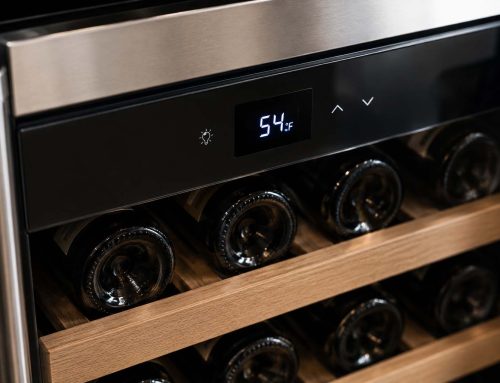
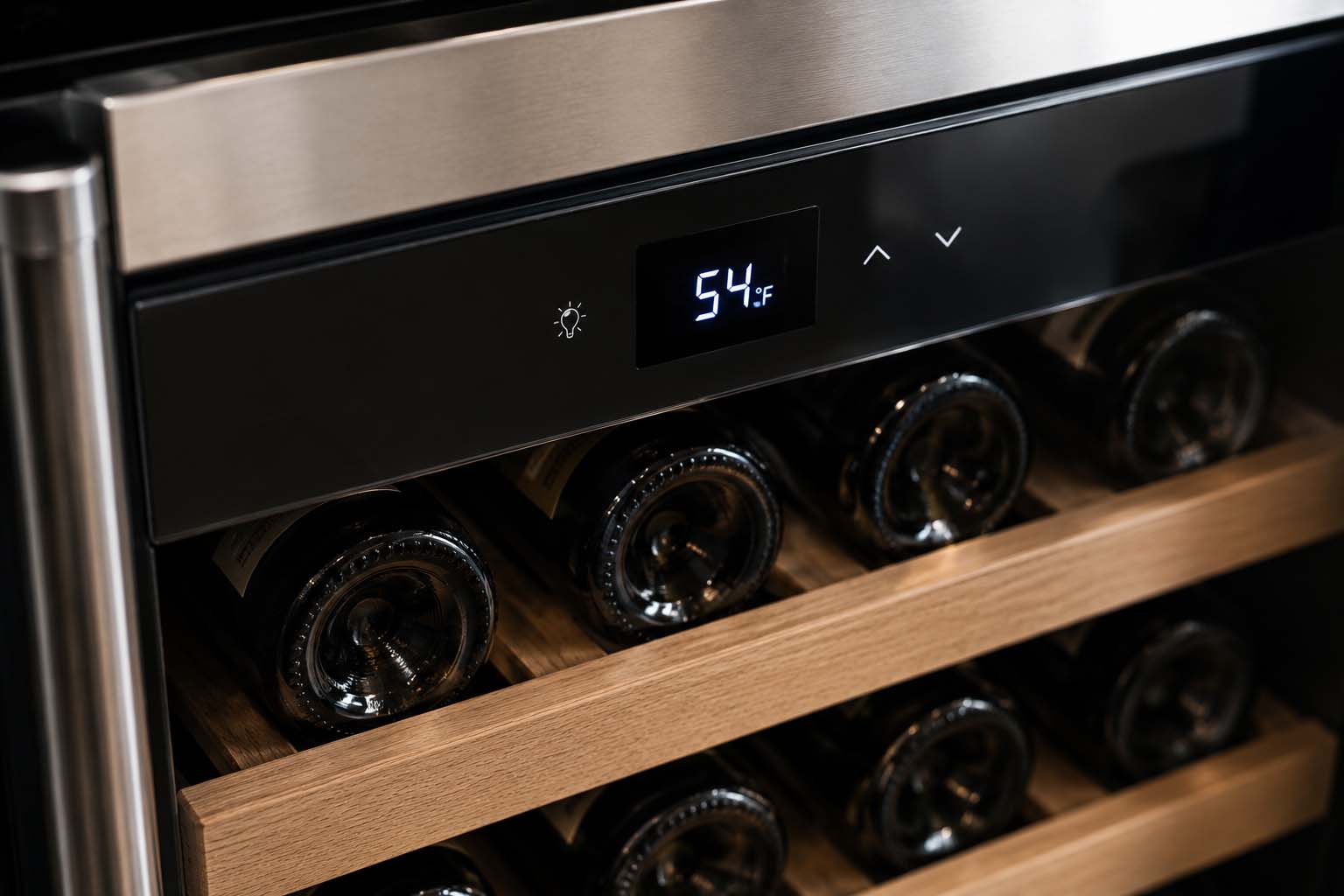
Thermador wine coolers often come equipped with digital controls, but even the best systems require monitoring during extreme heat.
- Set Correct Temperatures: Reds are generally best stored at 55–65°F, while whites are ideal at 45–55°F.
- Use a Hygrometer: Ensure humidity remains between 50–70% to protect corks and maintain wine quality.
- Temperature Logging: Keep a log or use smart sensors to track temperature trends and detect issues early.
Proper monitoring prevents irreversible damage and allows you to address minor anomalies before they escalate.
Preventive Repairs and Professional Checkups
Even if your wine cooler seems fine, a professional inspection during warmer months can save headaches. Services include:
- Compressor Performance Checks: Ensure your cooler’s motor isn’t overworking.
- Cooling System Inspection: Detect refrigerant leaks or blockages that reduce efficiency.
- Door and Seal Optimization: Verify that seals and hinges are functioning correctly to prevent temperature loss.
For trusted service, reach out to Thermador Repair Group for expert evaluation and repairs. A timely checkup can safeguard your collection and prevent costly emergencies.
Energy Efficiency Tips During Hot Months
A wine cooler under stress consumes more electricity. Consider these energy-saving measures:
- Limit Door Openings: Frequent opening lets warm air in, forcing the cooler to work harder.
- Use Energy-Saving Settings: Some Thermador models allow eco-friendly modes during extended periods of minimal use.
- Keep the Cooler Full: A fully stocked cooler maintains temperature more effectively than a half-empty one.
By optimizing energy use, you protect both your wine and your utility bills.
Emergency Fixes You Can Try at Home
Before calling for service, some minor issues can be addressed safely at home:
- Temperature Fluctuations: Verify the thermostat setting and check for airflow blockages.
- Unusual Noise: Ensure the cooler is level and away from vibrating surfaces.
- Frost Accumulation: Temporarily power down and allow the unit to defrost if frost builds excessively.
These small interventions often prevent unnecessary repair calls while you wait for professional service.
Protecting Your Collection Long-Term
Beyond seasonal tips, long-term wine preservation is about consistency:
- Maintain a dedicated storage space away from light, heat, and vibrations.
- Keep a routine cleaning and inspection schedule to catch wear and tear early.
- Track wine placement and rotation to ensure older bottles are consumed first.
With these practices, your Thermador wine cooler becomes a reliable partner in enjoying wine at its best.
Explore Related Appliance Care Tips
For more insights on maintaining Thermador appliances, check out our guide on Common Thermador Range Burner Issues in Hollywood Kitchens. Learning from other appliance care strategies can help you anticipate and avoid problems across your kitchen.
Frequently Asked Questions
- How often should I service my wine cooler in hot climates?
Professional inspection once per year is recommended, with monthly self-maintenance like coil cleaning and seal checks. - Can temperature swings ruin my wine collection?
Yes, repeated or extreme fluctuations can compromise flavor, aroma, and aging potential. - Are DIY repairs safe for Thermador wine coolers?
Only minor interventions like cleaning coils or defrosting are safe. Anything involving compressors or refrigerant should be handled by professionals. - What’s the ideal wine cooler humidity?
Between 50–70% to keep corks hydrated and prevent oxidation. - How can I tell if my cooler is overworking?
Signs include unusual noise, constant running, frost buildup, and uneven internal temperatures.
Conclusion: Keep Your Wine Perfectly Chilled
Protecting your wine collection during warm Los Angeles months requires a combination of proper placement, maintenance, and proactive monitoring. By following these tips and relying on professional service from Thermador Repair Group, you ensure that each bottle remains at its optimal temperature and flavor profile.
Summer heat doesn’t have to threaten your prized wines. With vigilance, care, and timely intervention, your Thermador wine cooler will continue delivering the perfect pour every time. Celebrate your collection without compromise, knowing your investment is safe—even in the hottest months.